
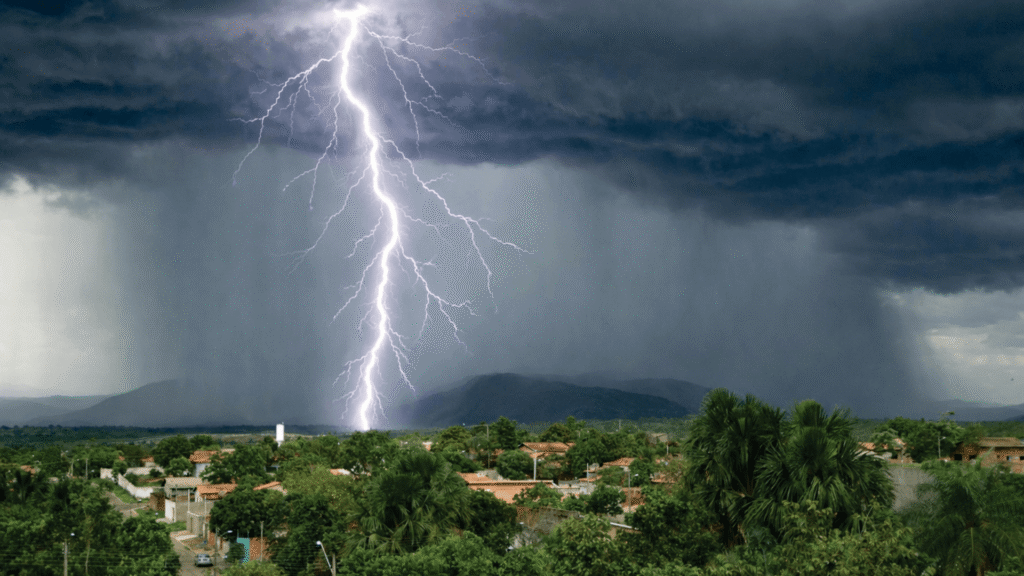

California businesses are facing a growing problem that many owners are not fully prepared for: the increasing impact of severe convective storms (SCSs) on businesses and property owners in California. These storms can bring damaging winds, hail, flash flooding, heavy rain, and even tornado-like conditions that disrupt operations and create major financial losses.
For contractors, manufacturers, restaurants, and blue-collar businesses, one uncovered loss can threaten payroll, equipment, inventory, and long-term survival. The biggest risk is not always the storm itself — it is the insurance gaps many businesses discover after the damage is done.
Understanding The Growing Risk Of SCSs In California
According to the National Oceanic and Atmospheric Administration (NOAA), severe weather events caused billions in insured losses across the United States in recent years. California has seen an increase in extreme weather patterns, including unexpected hailstorms, flooding, and damaging wind events.
The effects of severe convective storms (SCSs) on businesses and property owners in California are becoming more expensive because many commercial properties were not designed for this level of weather exposure. Warehouses, restaurants, construction sites, and manufacturing facilities are especially vulnerable due to outdoor equipment, inventory storage, and operational dependencies.
For example, a roofing contractor in Southern California may have workers unable to operate for days after a severe storm damages vehicles and tools. A restaurant dealing with power outages may lose thousands in spoiled food inventory in just a few hours.
Common Insurance Gaps Businesses Overlook
Many business owners assume their commercial insurance policy covers every storm-related loss. Unfortunately, that is often not true.
One major gap is flood coverage. Standard commercial property insurance usually does not include flood damage. If stormwater enters your building and damages equipment or inventory, your claim may be denied unless separate flood insurance is in place.
Business interruption coverage is another commonly overlooked protection. Severe convective storms (SCSs) on businesses and property owners in California can force operations to shut down temporarily. Without proper business interruption insurance, companies may still need to cover payroll, rent, taxes, and utility bills even while revenue stops.
Manufacturing companies also face equipment breakdown risks. Storm-related power surges can damage machinery and halt production lines for weeks. Restaurants may experience refrigeration failures, while contractors may lose expensive mobile tools and materials stored outdoors.
Why Payroll And Workers’ Compensation Risks Matter
Storm disruptions create payroll and compliance problems many California businesses do not anticipate.
California labor laws remain strict even during emergencies. Employers are still responsible for wage compliance, overtime calculations, meal break rules, and workers’ compensation obligations.
For contractors and blue-collar businesses, storms increase workplace injury risks. Wet conditions, electrical hazards, and damaged job sites can lead to accidents that trigger workers’ compensation claims.
A construction company that sends workers onto unstable storm-damaged property without proper safety procedures may face OSHA penalties, injury claims, and increased insurance premiums.
This is why reviewing workers’ compensation classifications and payroll reporting accuracy is critical before storm season begins.
Real-World Example Of Hidden Financial Exposure
A small California manufacturing company experienced roof damage after a severe hailstorm disrupted operations for nearly two weeks. While the business had property insurance, it lacked sufficient business interruption coverage.
The company still had to pay:
- Employee wages
- Payroll taxes
- Vendor invoices
- Lease payments
- Equipment financing costs
The final uncovered losses exceeded $150,000.
Situations like this demonstrate the real impact of severe convective storms (SCSs) on businesses and property owners in California. Insurance gaps often appear in areas business owners never expected.
How California Regulations Affect Coverage Decisions
California businesses also face unique insurance and compliance challenges tied to state regulations.
For example, Cal/OSHA requires employers to maintain safe working environments during hazardous weather conditions. Failure to properly protect employees during storm recovery operations can create legal and financial liability.
Additionally, businesses operating company vehicles must ensure commercial auto policies properly cover storm-related incidents, especially for contractors and delivery-based operations.
California’s high operating costs also make underinsurance especially dangerous. Rising labor expenses, property values, and replacement costs mean outdated policies may leave businesses significantly undercovered.
How To Reduce Insurance Gaps Before Storm Season
Businesses should regularly review:
- Commercial property coverage limits
- Flood insurance needs
- Business interruption protection
- Equipment breakdown policies
- Commercial auto coverage
- Workers’ compensation classifications
- Payroll compliance procedures
Contractors should verify inland marine coverage for tools and equipment. Restaurants should review spoilage protection and utility interruption coverage. Manufacturers should evaluate supply chain and equipment downtime risks.
The goal is not simply buying more insurance — it is building smarter protection that matches the specific risks your business faces.
Bottomline
The financial impact of severe convective storms (SCSs) on businesses and property owners in California continues to grow, and many companies remain dangerously underinsured without realizing it.
Hidden coverage gaps involving flood damage, payroll liabilities, business interruption, equipment breakdowns, and workers’ compensation can create devastating losses after a storm.
Humano helps contractors, manufacturing companies, restaurants, and blue-collar businesses find flexible, better-priced, and custom-built insurance solutions designed around real operational risks. By connecting businesses with multiple insurance carriers and tailored coverage options, Humano helps business owners strengthen protection, improve compliance, and reduce financial exposure before disaster strikes.
Waiting until after a storm hits is often too late. A proactive insurance review today can help protect your employees, operations, and long-term business stability tomorrow.